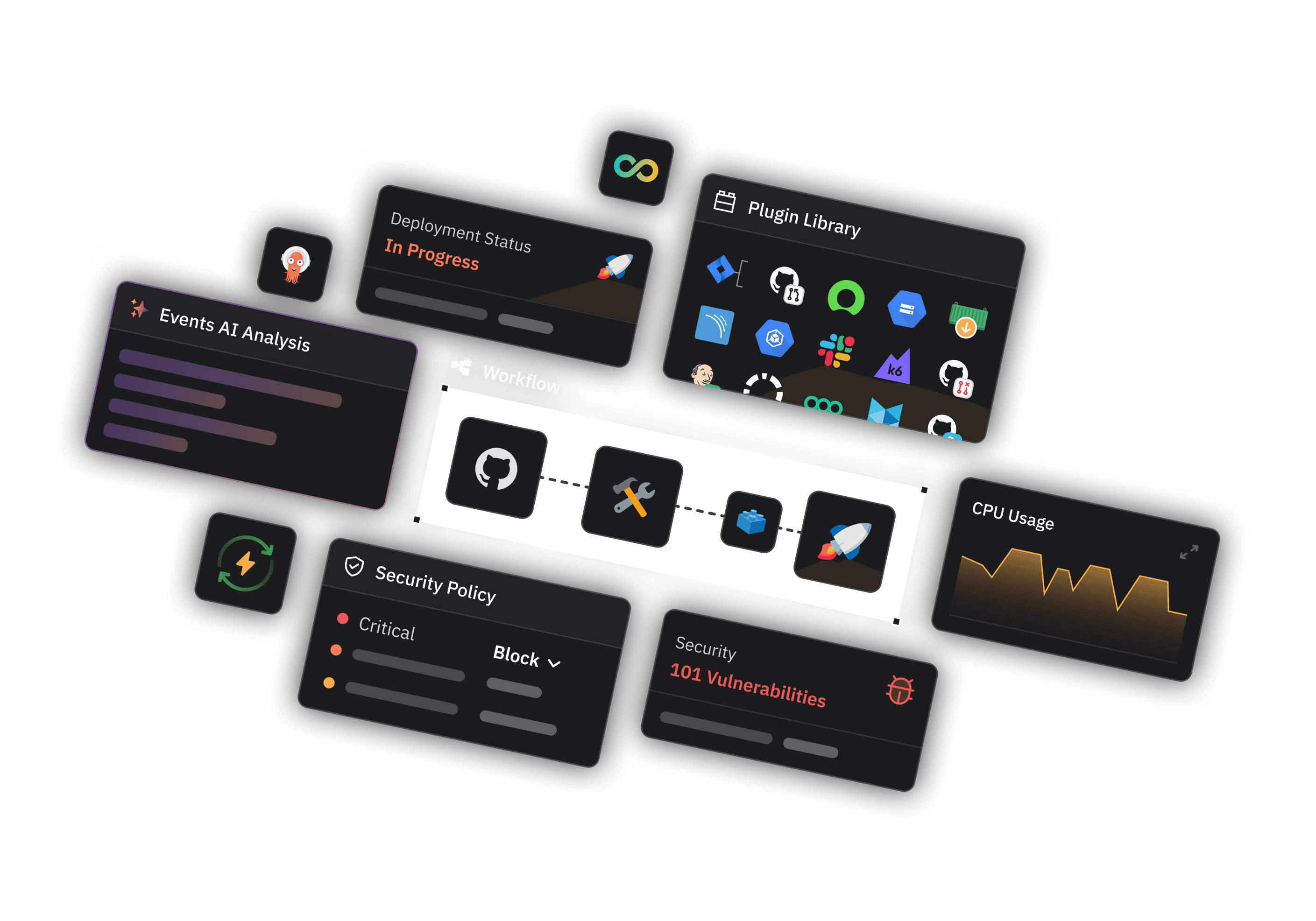
Kubernetes Management
Kubernetes has become the standard for container orchestration, powering cloud-native applications across enterprises globally. As organizations scale containerized workloads across multi-region environments, they face challenges in managing deployments, optimizing costs, and maintaining security compliance. Effective Kubernetes management creates sustainable platforms that empower development teams while maintaining operational excellence.

What is Kubernetes Management?
Kubernetes management encompasses the complete lifecycle of container orchestration from cluster provisioning to deployment, monitoring, security, and cost optimization. It coordinates infrastructure management, workload scheduling, networking, storage, and observability across environments spanning multiple regions and compliance zones.
Organizations running Kubernetes at scale whether managing hybrid infrastructure across Mumbai and AWS Asia-Pacific or multi-cloud deployments spanning Azure Europe and GCP need robust practices to handle thousands of microservices, multiple clusters, and distributed teams. Without proper management, teams struggle with configuration drift, security vulnerabilities, resource wastage, and prolonged incident resolution.
As Kubernetes adoption grows, teams often move beyond a single cluster. Best Practices for Multi-Cluster Kubernetes Management help organizations standardize operations, maintain security consistency, and ensure visibility across clusters and regions.
Core Components of Kubernetes Management
Cluster Operations and Infrastructure
Managing Kubernetes infrastructure requires consistent provisioning and lifecycle management across regions. Platform teams handle cluster upgrades, node scaling, networking configurations, and infrastructure-as-code while ensuring high availability and compliance with regional data residency regulations (GDPR in Europe, data localization in India, HIPAA in the US).
Application Deployment and CI/CD
Modern Kubernetes management integrates with CI/CD pipelines across distributed teams. Whether developers are in Pune, Singapore, or San Francisco, they need automated workflows for building container images, managing Helm charts, executing blue-green or canary deployments, and handling rollbacks.
Security and Compliance
Security scanning and policy enforcement are critical for regulated industries FinTech in Singapore, Healthcare in North America, Banking in the UAE. This includes vulnerability scanning, RBAC implementation, secrets management, network policies, and audit trails for market-specific regulatory requirements.
Cost Optimization and Resource Management
Resource management directly impacts cloud spending across regions with varying pricing. Organizations need visibility into utilization across AWS Mumbai, Azure Singapore, or GCP Sydney, rightsizing recommendations, idle resource identification, and chargeback mechanisms for distributed teams.
Observability and Troubleshooting
Monitoring, logging, and distributed tracing enable global teams to diagnose issues quickly and maintain SLOs. This includes collecting metrics from worldwide clusters, aggregating logs, setting intelligent alerts for 24/7 operations, and providing dashboards for different personas and regions.
Why Kubernetes Management Matters
Platform teams globally spend 40-60% of time on operational tasks rather than innovation. Poor management leads to longer MTTR, security risks, cost overruns across multi-region deployments, and friction between distributed development and operations teams.
Organizations implementing comprehensive management platforms from Indian FinTech companies to Southeast Asian telecom providers and North American retail enterprises achieve measurable results:
80% reduction in MTTR
50% faster time-to-market
30-40% reduction in cloud infrastructure costs
Significantly improved developer productivitycantly improved developer productiv
Choosing Your Kubernetes Management Approach
Teams have three options:
Manual Management: Open-source tools (kubectl, Helm, Prometheus) offer flexibility but require significant expertise and operational overhead, especially challenging for distributed teams.
Managed Services: Cloud provider offerings (EKS, AKS, GKE) reduce infrastructure complexity but may limit customization, create vendor lock-in, and complicate multi-region or hybrid deployments.
Integrated Platforms: Comprehensive solutions combining CI/CD, security scanning, cost management, and observability while maintaining consistency across environments, regions, and cloud providers.
The right choice depends on scale, geographic distribution, team expertise, security requirements, data sovereignty concerns, and multi-cloud strategy.
Getting Started with Kubernetes Management
Assess your current pain points:
Are deployments slow across regions?
Is troubleshooting difficult with distributed teams?
Are cloud costs spiraling across multiple data centers?
Do security scans bottleneck compliance requirements?
Prioritize areas with highest business impact.
Start with foundational practices:
Infrastructure-as-cod
Automated deployments
Basic observability
Then progressively add:
Advanced security scanning for regional complianc
FinOps practices for multi-cloud environments
Self-service platforms for distributed development teams
👉 You might also like: